Ngmayem: Where Millet Meets Memory
and the Spirit of the Shai Rises * March/April
Latest Ghana Festivals by Month
Updated continuously — explore Ghana’s cultural calendar month by month. Contact Us and add your festival free of charge, to always reflect the most current festival information.
In the lush hills and sacred groves of the Shai Traditional Area, something extraordinary unfolds every October. It’s not just a festival — it’s a heartfelt return to ancestral wisdom, agricultural blessings, and communal pride. It’s called Ngmayem — a celebration of millet, yes, but also of identity, survival, and spiritual belonging.
When the Shai people gather for Ngmayem, they are not just giving thanks for a good harvest — they are telling a story older than any monument. A story of land, of struggle, and of the sacred bond between people and the earth.
The Grain That Fed a People
The word “Ngmayem” comes from the Dangme language and literally means “Eating of Millet.” But this is no ordinary crop, and this is no ordinary feast.
Millet was once the main staple for the Shai people, particularly during difficult times. It sustained families through hardship and became a symbol of resilience and divine provision. Ngmayem was born out of the tradition of giving thanks to the gods and ancestors for blessing the land and people with food, even in seasons of scarcity.
The festival is a sacred harvest thanksgiving, with rituals centered on the preparation and sharing of millet-based dishes — especially the symbolic millet porridge, served in calabashes and offered to the ancestors before being eaten by the living.
Ritual, Reverence, and Royalty
Ngmayem typically begins with a purification of the land and spiritual rites performed by traditional priests and elders. Sacred rituals are conducted at the ancestral shrines and within the groves of Shai Hills, a landscape rich with cultural memory and spiritual presence.
The paramount chief and sub-chiefs lead the community in both solemn observances and joyful celebrations. At the heart of the festival is the Durbar of Chiefs, a regal and colorful ceremony where the custodians of Shai culture are honored, and the people renew their allegiance and unity.
Here, the past walks with the present. Every drumbeat, every dance step, every shared bowl of millet is an echo of those who came before.
A Festival of Peace and Identity
Ngmayem is more than thanksgiving — it is a powerful symbol of peace, cultural revival, and reconciliation. It reminds the Shai people, especially the younger generation, of who they are and where they come from. It is a time for families to reunite, for communities to mend bonds, and for everyone to reaffirm their Shai identity with pride and joy.
In a world often rushing forward, Ngmayem invites us to pause, look back, and give thanks — not just for the harvest, but for heritage.
The Sounds and Sights of Shai
As the festival gains momentum, the air comes alive with:
Traditional drumming and dance, particularly the spirited kpalongo rhythms
Cultural performances, storytelling, and songs in the Dangme language
Colorful regalia, beads, and symbolic attire unique to the Shai people
Food sharing, where millet-based dishes are not only eaten, but honored
It is a full-sensory celebration — earthy, vibrant, and spiritual all at once.
A Homecoming for the Diaspora
For many Ghanaians in the diaspora, Ngmayem is also a call to come home — not just physically, but spiritually. It is an opportunity to walk in the footsteps of ancestors, to feel the pulse of the land, and to reconnect with the wisdom that once guided entire generations.
To attend Ngmayem is to say, “I remember.”
To eat the millet is to say, “I belong.”
To dance under the Shai sky is to say, “I rise.”
Why Ngmayem Matters
I
n every calabash of millet porridge, there is more than food — there is history, humility, and hope. Ngmayem reminds us that even the humblest grain can carry the weight of a people’s story. It teaches us that true abundance is not just about what we harvest from the land, but what we preserve in our hearts.
This festival is a quiet flame — not loud or flashy, but deeply rooted, powerfully meaningful, and enduring across generations.
Ngmayem is not just about millet.
It’s about memory. Identity. Gratitude. And the unshakable spirit of the Shai.
Latest Ghana Festivals – All Ghana Festivals
Explore all Ghana festival stories from Ghana-Net. Each card links to a dedicated page and shows a full description. If you think, you festival is not on here, please contact us for your free up to date festival page.
Other websites - Not shown within our main site-map:
- Fort Teshie (Fort Augustaborg) - Teshie, Accra)
- Fort Komenda - 2 Forts at Komenda (Central Region, near Elmina and Cape Coast, Central Region)
- Forth Conraadsborg (Elmina, Central Region)
- Fort Ussher (Accra, Ussher Town)
- Fort Wiliam (Cape Coast, Central Region)
- Fort Victoria (Cape Coast, Central Region)
- Fort Batenstein (Butree, Western Region)
- Fort Patience (Central Region)
- Kwame Nkrumah Memorial Park and Museum (Accra)
- Yaa Asantewaah Museum (Ashanti Region)
- The W .E. B. Du Bois Centre for Pan African Culture (Accra)
- Volta Regional Museum, Ho (Volta Region)
- Kakum National Park (Central Region, near Cape Coast)
- Aburi & Aburi Botanical Gardens (Aburi, Eastern region)
- Kwame Nkrumah Mausoleum Nkroful (Western Region, Nkroful)
- Official website of Tetthe Quarshie Art market (Accra)
🇬🇭 Ghana3d.com Gateway Experience 360
Find your roots and rise — Ghana3d.com Gateway Experience 360 is your ultimate guide to cultural, historic, and soul-stirring adventures. Whether you're returning to your ancestral land or exploring Ghana for the first time, we offer curated journeys that connect you deeply to the spirit of West Africa. From powerful walks through Cape Coast & Elmina slave castles to the vibrant rhythms of Accra’s nightlife. From sacred village ceremonies to awe-inspiring natural beauty — your journey starts here.
- ✔ Instant Confirmation
- ✔ Free Cancellation
-
✔ Best Price Guarantee
You'll receive a full refund if you cancel at least 24 hours in advance of most experiences.
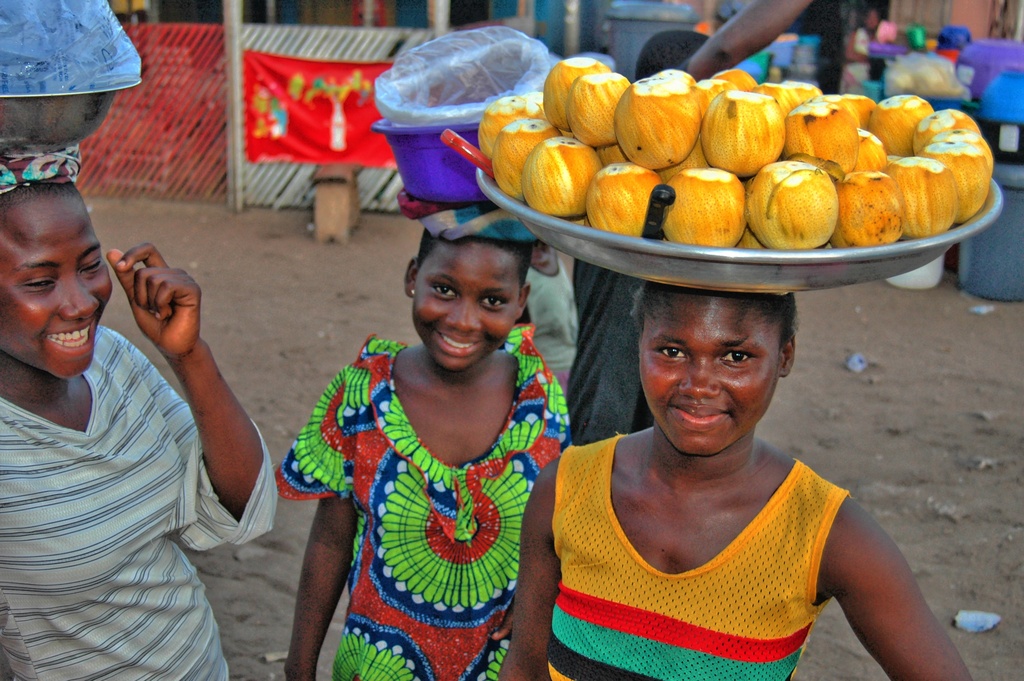
3 girls selling fruits and food at the road side. (c) Strictly by Remo Kurka (photography)