In the royal capital of Kumasi, where gold gleams not just in ornaments but in tradition, the beating of fontomfrom drums signals a sacred rhythm. Every six weeks, beneath the regal splendor of Manhyia Palace, the Ashanti people pause — not for entertainment, but for remembrance.
This is Akwasidae — the festival of ancestral veneration and royal homage. Held in alignment with the Akan calendar, it is one of the most revered rituals in Ashanti culture — a moment when the living commune with the dead, and loyalty to the Golden Stool is renewed.
More Than a Festival — A Kingdom Remembered and Revered
Akwasidae is not tied to a single season. It is cyclical — occurring every 42 days — reflecting the Ashanti worldview where time flows like a drumbeat: constant, sacred, and significant.
“To honor the ancestors is to honor ourselves.”
At its heart, Akwasidae is about remembrance. The Ashanti believe that ancestors do not die — they transition. They remain active in the affairs of the living, offering guidance, protection, and spiritual presence. The festival is their audience — and the Asantehene, the King of Ashanti, their high priest and living symbol of continuity.
🕯Sacred Rites at the Palace and Beyond
Akwasidae follows a sacred order of traditional and spiritual rituals that transform Manhyia Palace into a royal sanctuary:
Private Ancestral Communion
The day begins in quiet reverence. The Asantehene enters the Nana Dwa — the sacred stool room — where ancestral stools representing departed kings and royals are kept. Libation is poured, and prayers are offered. It is a solemn, unseen dialogue between past and present.
Offering at the Bantama Mausoleum
Traditional priests and elders perform rituals at the Bantama Royal Mausoleum — the final resting place of Ashanti kings and queen mothers — to invoke blessings and honor their spirits.
Grand Durbar of the Asantehene
Later, the palace grounds come alive. Dressed in majestic kente, gold regalia, and surrounded by a royal entourage, the Asantehene holds court. Chiefs, dignitaries, and citizens alike come to pay homage. It is not just a political event — it is a spiritual reaffirmation of loyalty to the king, the ancestors, and the nation.
Drumming, Dancing, and Display of Tradition
The air vibrates with the sound of ancient drums — kete, adowa, and fontomfrom. Dancers move with grace and purpose, warriors display martial traditions, and praise singers recount the heroic deeds of Ashanti royalty.
Akwasidae and the Wisdom of the Ancestors
Akwasidae is not a ritual of the past — it is a renewal of values. It teaches:
That leadership is sacred, not just political
That the dead are not forgotten, but revered
That unity must be continually affirmed through tradition
It is a living theology — a festival where royalty and spirituality embrace in full view of the people.
A Tradition Rooted in Gold, Guided by Spirit
While the Ashanti Kingdom is modern and evolving, Akwasidae remains a steadfast cultural anchor. Whether the Asantehene is welcoming foreign dignitaries or engaging the youth, the festival reminds all that progress without foundation is fragile.
Akwasidae adapts — incorporating education, civic dialogue, and heritage promotion — but its soul remains untouched. The Golden Stool still symbolizes the soul of the Ashanti nation. And Akwasidae ensures that it continues to shine.
A Gathering of Global Significance
Today, Akwasidae attracts not only Ashantis from across Ghana and the diaspora but also cultural enthusiasts, historians, and dignitaries from around the world. It is a festival that transcends borders — a visual, spiritual, and emotional portrait of African royalty and ancestral dignity.
For the Ashanti, it is not a show. It is a covenant.
Come Witness a Heritage Crowned in Gold
To witness Akwasidae is to step into living history. You will see tradition walk in gold, hear memory sung in praises, and feel the pulse of a kingdom that does not just remember — it reveres.
Akwasidae is not just a festival.
It is a sacred ceremony.
A rhythmic reunion of the living and the dead, the royal and the humble, the past and the present.
Akwasidae and the Power of Culture
What makes Akwasidae enduring is its spiritual discipline and regal poise. It teaches:
That ancestry is not about nostalgia, but grounding
That culture, when honored, can elevate a nation
That true leadership listens not only to the people — but to the ancestors
IIn a world rushing forward, Akwasidae reminds us to bow, to remember, and to rise with grace.
Latest Ghana Festivals – All Ghana Festivals
Explore all Ghana festival stories from Ghana-Net. Each card links to a dedicated page and shows a full description. If you think, you festival is not on here, please contact us for your free up to date festival page.
Other websites - Not shown within our main site-map:
- Fort Teshie (Fort Augustaborg) - Teshie, Accra)
- Fort Komenda - 2 Forts at Komenda (Central Region, near Elmina and Cape Coast, Central Region)
- Forth Conraadsborg (Elmina, Central Region)
- Fort Ussher (Accra, Ussher Town)
- Fort Wiliam (Cape Coast, Central Region)
- Fort Victoria (Cape Coast, Central Region)
- Fort Batenstein (Butree, Western Region)
- Fort Patience (Central Region)
- Kwame Nkrumah Memorial Park and Museum (Accra)
- Yaa Asantewaah Museum (Ashanti Region)
- The W .E. B. Du Bois Centre for Pan African Culture (Accra)
- Volta Regional Museum, Ho (Volta Region)
- Kakum National Park (Central Region, near Cape Coast)
- Aburi & Aburi Botanical Gardens (Aburi, Eastern region)
- Kwame Nkrumah Mausoleum Nkroful (Western Region, Nkroful)
- Official website of Tetthe Quarshie Art market (Accra)
🇬🇭 Ghana3d.com Gateway Experience 360
Find your roots and rise — Ghana3d.com Gateway Experience 360 is your ultimate guide to cultural, historic, and soul-stirring adventures. Whether you're returning to your ancestral land or exploring Ghana for the first time, we offer curated journeys that connect you deeply to the spirit of West Africa. From powerful walks through Cape Coast & Elmina slave castles to the vibrant rhythms of Accra’s nightlife. From sacred village ceremonies to awe-inspiring natural beauty — your journey starts here.
- ✔ Instant Confirmation
- ✔ Free Cancellation
-
✔ Best Price Guarantee
You'll receive a full refund if you cancel at least 24 hours in advance of most experiences.
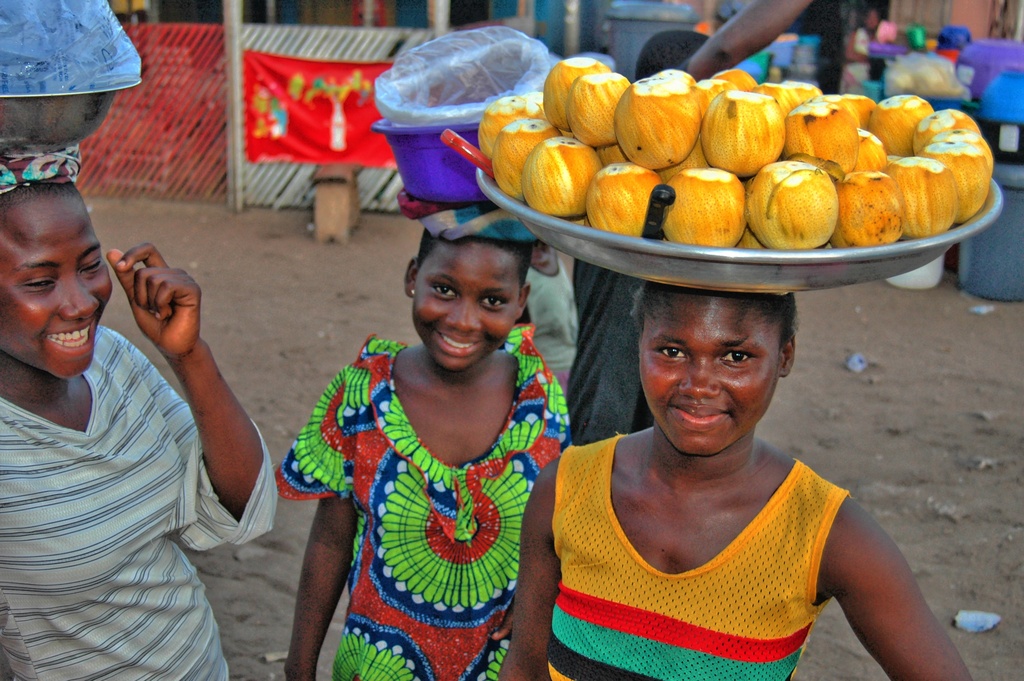
3 girls selling fruits and food at the road side. (c) Strictly by Remo Kurka (photography)