In the vibrant hills of Odumase Krobo, nestled in Ghana’s Eastern Region, something sacred happens each year around March or April. It’s not a performance for tourists or a mere public celebration. It’s a rite — deeply personal, deeply cultural, and powerfully symbolic.
It’s called Dipo — the traditional puberty rite of passage for girls among the Krobo people. For generations, Dipo has marked the transition from childhood into womanhood with grace, structure, and spiritual meaning. And while the world changes rapidly, this tradition continues — not in defiance of modernity, but in defense of identity, value, and dignity.
More Than a Ceremony — A Rite of Becoming
In Krobo culture, Dipo is a profound declaration:
“You are no longer a girl. You are now a woman — prepared, protected, and proud.”
Unlike many cultures that leave young people to navigate adulthood alone, the Krobo people guide their daughters with ceremony, mentorship, and ritual. Dipo is not just a celebration of fertility or age; it is a structured education in womanhood.
Girls who participate — known as Dipo-yi — undergo a series of traditional practices designed to instill discipline, moral values, domestic skills, cultural knowledge, and the meaning of womanhood in Krobo society.
Sacred Steps in the Journey
Dipo spans several days and follows a sacred sequence of rites:
Shaving of the Hair
In a symbolic gesture of letting go of childhood, the Dipo girls have their hair shaved and are dressed in beautiful cloths and beads — representing purity and transformation.Ritual Bathing and Cleansing
The girls are taken to a sacred river or shrine where they are ritually bathed. These cleansing ceremonies invoke blessings, fertility, and spiritual protection from the gods and ancestors.Seclusion and Teaching
The girls are kept in seclusion for days or weeks, during which they are taught by elders — usually women — about womanhood, personal hygiene, marriage responsibilities, respect for self and others, and the expectations of adult life.Public Presentation
After completing their teachings, the girls are brought out in public — dressed elegantly in traditional Krobo beads, cloths, and adornments. With pride and poise, they walk, dance, and display the beauty of their maturity in front of chiefs, elders, family, and the entire community.Final Blessing and Celebration
The festival ends with offerings to the gods, the giving of gifts, and a joyful communal feast. From this point on, the girls are recognized as full women within the Krobo society.
Dipo and the Power of Culture
What makes Dipo so powerful is not just its beauty or symbolism — it’s the intentionality behind it. It reinforces key values:
Self-worth and identity
Respect for tradition and community
Preparedness for life’s responsibilities
Celebration of womanhood, not shame of it
In a global climate where young girls often face pressure without preparation, objectification without protection, and freedom without foundation, Dipo stands as a cultural anchor — ensuring that girls know their value before the world defines it for them.
Controversy and Continuity
Like many traditional rites, Dipo has sparked conversation — especially around modernization, human rights, and evolving societal roles. And yet, within the Krobo community, the festival continues to be held with pride and care, often evolving to reflect both tradition and changing times.
Families now choose to participate voluntarily, with some adapting or shortening certain aspects. But the heart of Dipo — its message of readiness, pride, and cultural belonging — remains intact.
A Living Tradition, A Lasting Legacy
Dipo is more than a rite for girls. It is a festival of values. A cultural mirror that reminds an entire people of who they are and how they care for their future.
It is a moment when generations come together — elders to teach, mothers to guide, fathers to bless, and communities to affirm that a girl’s transition into womanhood is sacred, powerful, and worthy of honor.
Come Witness a Heritage of Grace
For those outside the Krobo community, witnessing Dipo is an unforgettable experience. It is at once ancient and alive, tender and powerful. You see it in the eyes of the girls, in the wisdom of the elders, in the beauty of the beads, and in the reverence of the rituals.
Dipo is not just a festival.
It is a celebration of becoming. Of identity shaped in love, culture, and sacred responsibility.
Latest Ghana Festivals – All Ghana Festivals
Explore all Ghana festival stories from Ghana-Net. Each card links to a dedicated page and shows a full description. If you think, you festival is not on here, please contact us for your free up to date festival page.
Other websites - Not shown within our main site-map:
- Fort Teshie (Fort Augustaborg) - Teshie, Accra)
- Fort Komenda - 2 Forts at Komenda (Central Region, near Elmina and Cape Coast, Central Region)
- Forth Conraadsborg (Elmina, Central Region)
- Fort Ussher (Accra, Ussher Town)
- Fort Wiliam (Cape Coast, Central Region)
- Fort Victoria (Cape Coast, Central Region)
- Fort Batenstein (Butree, Western Region)
- Fort Patience (Central Region)
- Kwame Nkrumah Memorial Park and Museum (Accra)
- Yaa Asantewaah Museum (Ashanti Region)
- The W .E. B. Du Bois Centre for Pan African Culture (Accra)
- Volta Regional Museum, Ho (Volta Region)
- Kakum National Park (Central Region, near Cape Coast)
- Aburi & Aburi Botanical Gardens (Aburi, Eastern region)
- Kwame Nkrumah Mausoleum Nkroful (Western Region, Nkroful)
- Official website of Tetthe Quarshie Art market (Accra)
🇬🇭 Ghana3d.com Gateway Experience 360
Find your roots and rise — Ghana3d.com Gateway Experience 360 is your ultimate guide to cultural, historic, and soul-stirring adventures. Whether you're returning to your ancestral land or exploring Ghana for the first time, we offer curated journeys that connect you deeply to the spirit of West Africa. From powerful walks through Cape Coast & Elmina slave castles to the vibrant rhythms of Accra’s nightlife. From sacred village ceremonies to awe-inspiring natural beauty — your journey starts here.
- ✔ Instant Confirmation
- ✔ Free Cancellation
-
✔ Best Price Guarantee
You'll receive a full refund if you cancel at least 24 hours in advance of most experiences.
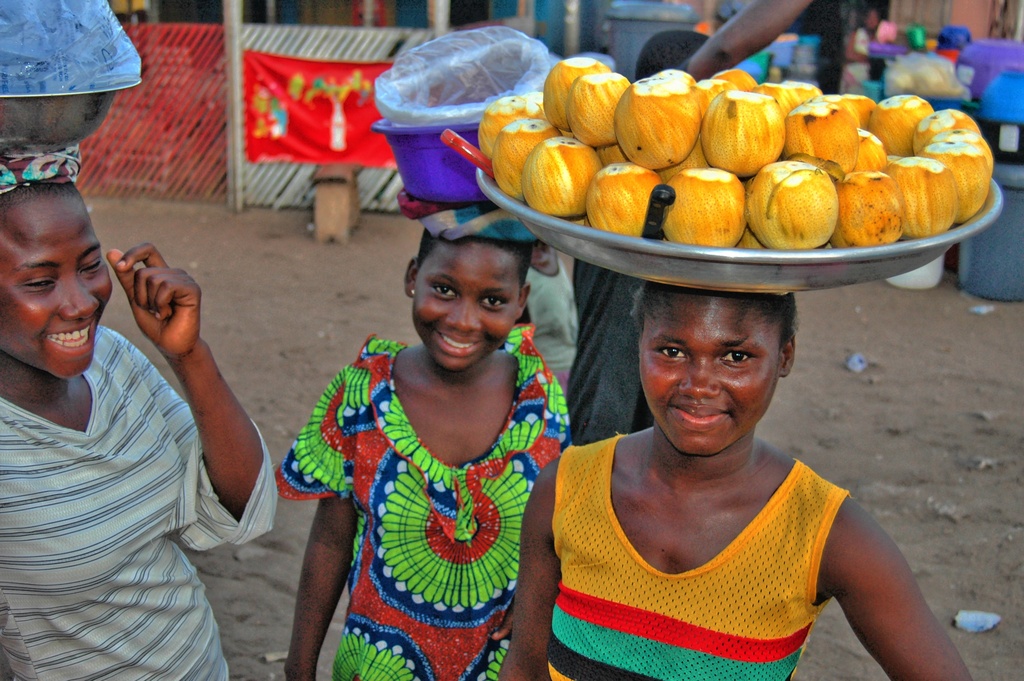
3 girls selling fruits and food at the road side. (c) Strictly by Remo Kurka (photography)