In the fertile plains and rugged hills of the Krobo land — stretching across Ghana’s Eastern Region and touching parts of Greater Accra — a sacred celebration unfolds every October. It is not merely a time of feasting or dancing. It is a thanksgiving — ancient, intentional, and deeply rooted in the soil and spirit of the people.
It is called Ngmayem — the festival of millet, of harvest, of community. For the Krobo people, Ngmayem is not just about agriculture. It is about identity. It is a living covenant between the people, their land, their ancestors, and their God.
More Than a Festival — A Covenant of Gratitude
To the Krobo, millet is not just a crop. It is life.
“You have eaten. You are alive. You must give thanks.”
Ngmayem means “eating of the millet,” and that simple phrase carries generations of meaning. The festival marks the end of the farming season, when the community pauses — not to boast in their labor, but to bow in gratitude. The land has yielded. The people have survived. And now, it is time to remember who made it all possible.
The celebration is an annual renewal of gratitude — to the gods, to the ancestors, and to the sacred bond between people and the earth. It is also a time to reaffirm unity, resolve conflict, and prepare for the future with clear minds and thankful hearts.
Sacred Rituals of the Season
Ngmayem unfolds over several days, following traditional rites that have remained intact through generations:
Libation and Ancestral Invocation
Elders and priests pour libation to invite the spirits of the ancestors and seek blessings from the gods. This ritual opens the spiritual gateway for the festival to proceed in peace and sanctity.
The Tasting of the New Millet
At the heart of Ngmayem is the ceremonial eating of freshly harvested millet. Until this moment, no one is allowed to eat from the new harvest. The traditional leaders taste it first — symbolizing collective permission, purity, and thanksgiving.
Durbar of Chiefs
A majestic durbar is held — a grand gathering where Krobo chiefs appear in full regalia, seated under ornate umbrellas, surrounded by drumming, singing, and dancing. This is not merely a show of power — it is a public expression of stewardship, leadership, and cultural pride.
Traditional Dancing and Music
The rhythm of Ngmayem lives in the feet of its dancers and the beat of its drums. Groups perform ancient dances in vibrant attire, telling stories of harvest, resilience, and joy through every movement.
Feasting and Fellowship
Families and strangers alike share food and drink, especially dishes made from millet. There is laughter, storytelling, and an overwhelming sense of belonging that binds the people together.
Ngmayem and the Sacred Bond with the Land
Ngmayem is a festival of values — values that ground the Krobo people in times of abundance and scarcity alike:
Gratitude before consumption
Unity before celebration
Faith before harvest
It is a powerful reminder that progress must never forget its roots, and that blessings — whether material or spiritual — are meant to be acknowledged with reverence, not taken for granted.
Continuity in a Changing World
Like all living traditions, Ngmayem has felt the winds of change. Urbanization, modern farming, and shifting demographics have reshaped Krobo land. And yet, Ngmayem endures — not as nostalgia, but as necessity.
In recent times, the festival has welcomed innovations — community development discussions, youth empowerment programs, health screenings, and educational campaigns. These additions do not dilute the sacredness of the rite; they extend it. They echo the festival’s core message: a people that remembers its roots will not lose its future.
A Time to Return, A Time to Reconnect
For the Krobo, Ngmayem is more than a festival. It is a homecoming. Sons and daughters return from cities and abroad to stand once again on the land that raised them. It is a moment of reunion — with family, with culture, and with purpose.
Come Witness a Heritage of Gratitude
For outsiders and visitors, witnessing Ngmayem is to step into a world where land, life, and spirit are inseparably linked. It is not staged. It is lived. You feel it in the solemnity of the libation, in the beat of the drums, in the pride of the chiefs, and in the simple act of breaking millet together as one people.
Ngmayem is not just a festival.
It is a sacred thanksgiving.
A celebration of harvest — not just of crops, but of culture, continuity, and collective memory.
Ngmayem and the Power of Culture
What makes Ngmayem enduring is its balance between spiritual reverence and communal joy. It teaches:
Gratitude as a communal act
Identity rooted in the land
Celebration with purpose
Cultural legacy through generations
In a world where success often overshadows thankfulness, Ngmayem stands as a cultural compass — reminding us that to harvest well, one must first remember the hands that sowed, the rains that fell, and the roots that held firm.
Latest Ghana Festivals – All Ghana Festivals
Explore all Ghana festival stories from Ghana-Net. Each card links to a dedicated page and shows a full description. If you think, you festival is not on here, please contact us for your free up to date festival page.
Other websites - Not shown within our main site-map:
- Fort Teshie (Fort Augustaborg) - Teshie, Accra)
- Fort Komenda - 2 Forts at Komenda (Central Region, near Elmina and Cape Coast, Central Region)
- Forth Conraadsborg (Elmina, Central Region)
- Fort Ussher (Accra, Ussher Town)
- Fort Wiliam (Cape Coast, Central Region)
- Fort Victoria (Cape Coast, Central Region)
- Fort Batenstein (Butree, Western Region)
- Fort Patience (Central Region)
- Kwame Nkrumah Memorial Park and Museum (Accra)
- Yaa Asantewaah Museum (Ashanti Region)
- The W .E. B. Du Bois Centre for Pan African Culture (Accra)
- Volta Regional Museum, Ho (Volta Region)
- Kakum National Park (Central Region, near Cape Coast)
- Aburi & Aburi Botanical Gardens (Aburi, Eastern region)
- Kwame Nkrumah Mausoleum Nkroful (Western Region, Nkroful)
- Official website of Tetthe Quarshie Art market (Accra)
🇬🇭 Ghana3d.com Gateway Experience 360
Find your roots and rise — Ghana3d.com Gateway Experience 360 is your ultimate guide to cultural, historic, and soul-stirring adventures. Whether you're returning to your ancestral land or exploring Ghana for the first time, we offer curated journeys that connect you deeply to the spirit of West Africa. From powerful walks through Cape Coast & Elmina slave castles to the vibrant rhythms of Accra’s nightlife. From sacred village ceremonies to awe-inspiring natural beauty — your journey starts here.
- ✔ Instant Confirmation
- ✔ Free Cancellation
-
✔ Best Price Guarantee
You'll receive a full refund if you cancel at least 24 hours in advance of most experiences.
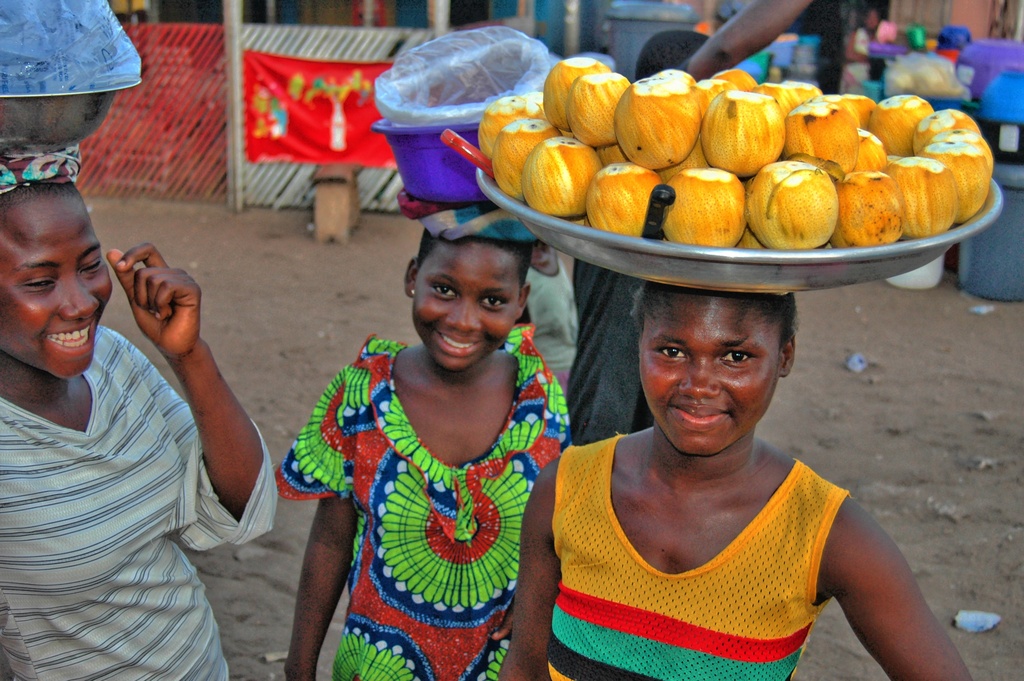
3 girls selling fruits and food at the road side. (c) Strictly by Remo Kurka (photography)