Gologo Festival also known as Golib Festival, Upper East, Talensi and Tong-Zuf
High in the rugged hills of Teng-Zug in Ghana’s Upper East Region, where the land speaks and ancestors still whisper through stone and shrine, a festival unfolds each March that is not for show, but for survival. It is not a celebration of harvest — but of hope. Not of what has been — but what may come.
This is Gologo — the solemn pre-planting festival of the Talensi people. Held before the first rains, Gologo is a sacred invocation: a collective appeal to the gods for rain, protection, and abundance. It is one of the oldest agricultural rituals in Ghana — austere, powerful, and deeply spiritual.
Selected, and guided Ghana Tours
More Than a Festival — A Covenant with the Land
In Talensi cosmology, the earth is not merely soil — it is sacred. To plant without first asking permission is not just disrespect — it is dangerous.
“We do not command the land. We plead with it.”
Gologo is a moment of alignment. Before the first seed is sown, the people purify themselves, consult the spirits, and submit to the rhythms of nature. It is a festival that strips away excess — so that the essentials of life, spirit, and land can rise to the surface.
🔔 Sacred Rites of Purity and Preparation
Gologo is unlike many other festivals. There are no grand durbars, no musical parades. Instead, there is silence, simplicity, and sacred symbolism:
Announcement and Preparation
The chief and earth priests (Tengbanas) announce the approach of Gologo weeks in advance. From that point, the community enters a state of ritual awareness — with restrictions on noise, certain foods, and behavior.
Simplicity in Dress
During Gologo, tradition requires men and women to wear simplified clothing made from locally woven cloth. Women often wear short wrappers, and men go bare-chested with cloth tied around the waist. This dress symbolizes humility before the gods and the stripping away of pride.
Climbing the Shrines and Offering Sacrifice
One of the most sacred acts of Gologo is the ascent of the Tonna’ab shrine — a revered rock formation believed to be the dwelling place of powerful spirits. There, sacrifices are made: goats, fowl, and millet beer offered in solemn ritual by the priests to appease the gods and ask for rains, fertility, and safety from misfortune.
Silence and Seclusion
Certain days during Gologo require silence in the village. No loud music, drumming, or merrymaking is permitted. This quietude reflects spiritual discipline — a sacred stillness to allow the gods to listen.
Communal Meals and Fasting
Families share modest meals made from early grains and local produce. Some observe partial fasting, while others refrain from certain foods as an act of spiritual purification.
Gologo and the Discipline of Faith
Gologo is not about joy alone — it is about readiness. It teaches:
That preparation must be spiritual before it is physical
That the land must be approached with reverence, not entitlement
That humility before the gods is the foundation of blessing
In the silence of Gologo lies a powerful message: that life grows best from roots that are grounded in respect.
A Tradition of the Earth, For the Earth
While the modern world moves faster with machines and forecasts, the Talensi people still look first to the gods and their land. Gologo continues to shape the planting season — determining not just when, but how the year begins.
Even today, many Talensi people — from farmers to professionals in the diaspora — adjust their schedules around the festival. It is more than custom. It is law. It is life.
A Spiritual Map of the Season to Come
For the people of Teng-Zug and surrounding villages, Gologo is a communal reset — a return to first principles. It reminds each person that they are stewards, not owners, of the land. That the gods must be heard before the soil is turned.
It is a time to reconnect with nature, family, and the invisible world that governs all visible things.
Come Witness a Festival Rooted in Reverence
To witness Gologo is to feel the weight of ancient wisdom. You may not hear drums — but you will feel the pulse of the earth. You may not see lavish costumes — but you will witness sacred simplicity.
Gologo is not just a festival.
It is a prayer.
A ritual contract between people, land, and spirit.
Gologo and the Power of Culture
What makes Gologo enduring is not celebration, but reverence. It reminds us:
That the land must be honored before it can provide
That spiritual discipline prepares the ground for physical success
That culture, when rooted in purpose, becomes a source of power
In a world that often takes without asking, Gologo teaches us to pause, to ask, to thank — and then to begin.
Ready to experience it for yourself?
Start planning your cultural journey into the soul of Ghana.
Latest Ghana Festivals – All Ghana Festivals
Explore all Ghana festival stories from Ghana-Net. Each card links to a dedicated page and shows a full description. If you think, you festival is not on here, please contact us for your free up to date festival page.
Site map of nearly all pages on Ghana Net (Main) without showing Single Blog Pages.
Some other websites - Not shown within our main site-map:
- Fort Teshie (Fort Augustaborg) - Teshie, Accra)
- Fort Komenda - 2 Forts at Komenda (Central Region, near Elmina and Cape Coast, Central Region)
- Forth Conraadsborg (Elmina, Central Region)
- Fort Ussher (Accra, Ussher Town)
- Fort Wiliam (Cape Coast, Central Region)
- Fort Victoria (Cape Coast, Central Region)
- Fort Batenstein (Butree, Western Region)
- Fort Patience (Central Region)
- Fort Amsterdam (Website)
- Osu Castle (Website), Osu, Accra.
- Kwame Nkrumah Memorial Park and Museum (Accra)
- Yaa Asantewaah Museum (Ashanti Region)
- The W .E. B. Du Bois Centre for Pan African Culture (Accra)
- Volta Regional Museum, Ho (Volta Region)
- Kakum National Park (Central Region, near Cape Coast)
- Aburi & Aburi Botanical Gardens (Aburi, Eastern region)
- Kwame Nkrumah Mausoleum Nkroful (Western Region, Nkroful)
- Official website of Tetthe Quarshie Art market (Accra)
🇬🇭 Ghana3d.com Gateway Experience 360
Find your roots and rise — Ghana3d.com Gateway Experience 360 is your ultimate guide to cultural, historic, and soul-stirring adventures. Whether you're returning to your ancestral land or exploring Ghana for the first time, we offer curated journeys that connect you deeply to the spirit of West Africa. From powerful walks through Cape Coast & Elmina slave castles to the vibrant rhythms of Accra’s nightlife. From sacred village ceremonies to awe-inspiring natural beauty — your journey starts here.
- ✔ Instant Confirmation
- ✔ Free Cancellation
-
✔ Best Price Guarantee
You'll receive a full refund if you cancel at least 24 hours in advance of most experiences.
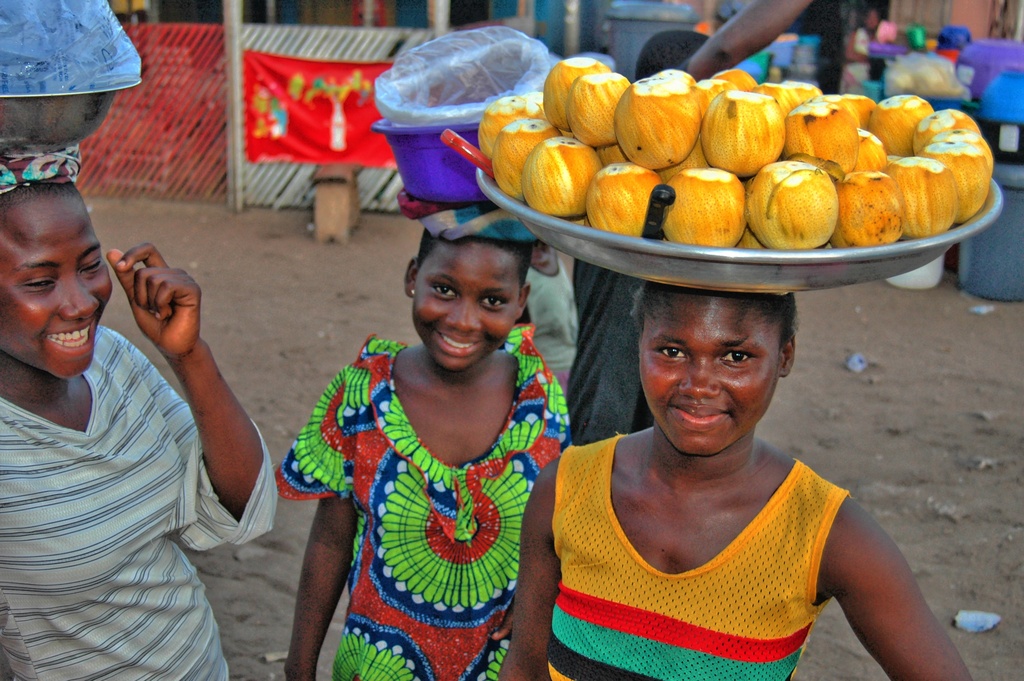
3 girls selling fruits and food at the road side. (c) Strictly by Remo Kurka (photography)