In the northern savannahs of Ghana, where ancient kingdoms meet the call of the muezzin, a festival rises each year in rhythm with both moon and memory. It is not merely a celebration — it is a convergence: of Islam and tradition, of royalty and rhythm, of faith and festivity.
This is Damba — the festival that unites the Dagomba, Nanumba, and Gonja people in a powerful cultural expression rooted in both Islamic heritage and ancestral pride. Typically held in July or August, Damba is a sacred blend — where the sound of drums meets the power of prayer.
More Than a Festival — A Fusion of Faith and Identity
Though originally intended to mark the birth of the Prophet Muhammad, Damba has evolved far beyond religious commemoration. Today, it is a regal display of culture, leadership, and unity — celebrated across Northern Ghana with joy, discipline, and spiritual meaning.
“We honor the Prophet — but we also honor ourselves.”
At its heart, Damba is a celebration of heritage — with Islamic symbolism woven seamlessly into the rich traditional fabric of northern royal courts. It affirms that identity is not singular — it is layered, lived, and celebrated with pride.
Sacred Rites and Royal Splendor
Damba unfolds in stages — each layered with significance and spectacle. From solemn prayer to vibrant performance, it is a festival that holds reverence and revelry in equal measure:
Prayers and Blessings
The festival opens with special congregational prayers at the mosque. Muslim clerics lead communities in thanksgiving, invoking peace and prosperity upon the land and its leaders.
The Naa Damba Dance and Horse Pageantry
One of the most iconic moments of the festival is the Naa Damba, where the chiefs — particularly the Ya-Na of Dagbon — mount elaborately adorned horses, parading through the palace grounds in regal display. It is both political affirmation and cultural celebration.
Drumming, Dancing, and Sword Displays
Throughout the towns, traditional drumming fills the air. Dancers in vibrant costumes perform age-old steps — many symbolic of historical battles, communal strength, and spiritual devotion. Warriors showcase sword dances, evoking the martial spirit of northern kingdoms.
Smock Fashion and Cultural Pride
Damba is also a time of fashion and identity. People wear elaborately embroidered fugu (northern smocks), with families often coordinating in patterns and colors that reflect lineage and status.
Exchanges of Gifts and Community Fellowship
Gifts are exchanged among families, chiefs, and guests — including kola nuts, food, and clothing. These acts of generosity reinforce bonds of kinship, diplomacy, and communal peace.
Damba and the Legacy of Unity
Damba teaches that faith and culture need not stand apart. It shows:
That tradition can be a bridge between past and present
That religious practice can enrich, not erase, indigenous identity
That community thrives when ritual, respect, and rhythm meet
It is a festival that embraces duality — both Islamic and indigenous, both regal and communal.
A Living Culture That Grows with Its People
While rooted in ancient kingdoms and Islamic custom, Damba continues to evolve. Today, it includes cultural education programs, youth empowerment activities, and regional development initiatives. It is as much about preserving heritage as it is about building the future.
And though celebrations vary slightly between Dagbon, Nanung, and Gonjaland, the spirit of Damba remains the same — unity in diversity, reverence in rhythm.
A Northern Beacon of Ghanaian Identity
For the people of Northern Ghana, Damba is a crown — worn with pride, passed through generations, and polished with every celebration. It draws not only locals but diaspora communities, tourists, and dignitaries from across the globe.
It is a powerful reminder that culture, when alive and inclusive, becomes a nation’s strength.
Come Witness a Festival Where Faith Dances with Heritage
To witness Damba is to stand at the crossroads of belief and tradition. You will see Islam honored, chiefs celebrated, drums awakened, and entire communities moving as one. You will hear stories in the music, and pride in every step.
Damba is not just a festival.
It is a royal gathering.
A celebration of faith, freedom, and the enduring beauty of identity.
Damba and the Power of Culture
What makes Damba exceptional is not just its energy or elegance — but its balance. It shows the world:
That identity can be layered, yet whole
That religion and tradition can walk hand in hand
That celebration can also be education, affirmation, and restoration
In a world that often forces people to choose one identity, Damba reminds us that we can be both — fully, joyfully, and unapologetically.
Latest Ghana Festivals – All Ghana Festivals
Explore all Ghana festival stories from Ghana-Net. Each card links to a dedicated page and shows a full description. If you think, you festival is not on here, please contact us for your free up to date festival page.
Other websites - Not shown within our main site-map:
- Fort Teshie (Fort Augustaborg) - Teshie, Accra)
- Fort Komenda - 2 Forts at Komenda (Central Region, near Elmina and Cape Coast, Central Region)
- Forth Conraadsborg (Elmina, Central Region)
- Fort Ussher (Accra, Ussher Town)
- Fort Wiliam (Cape Coast, Central Region)
- Fort Victoria (Cape Coast, Central Region)
- Fort Batenstein (Butree, Western Region)
- Fort Patience (Central Region)
- Kwame Nkrumah Memorial Park and Museum (Accra)
- Yaa Asantewaah Museum (Ashanti Region)
- The W .E. B. Du Bois Centre for Pan African Culture (Accra)
- Volta Regional Museum, Ho (Volta Region)
- Kakum National Park (Central Region, near Cape Coast)
- Aburi & Aburi Botanical Gardens (Aburi, Eastern region)
- Kwame Nkrumah Mausoleum Nkroful (Western Region, Nkroful)
- Official website of Tetthe Quarshie Art market (Accra)
🇬🇭 Ghana3d.com Gateway Experience 360
Find your roots and rise — Ghana3d.com Gateway Experience 360 is your ultimate guide to cultural, historic, and soul-stirring adventures. Whether you're returning to your ancestral land or exploring Ghana for the first time, we offer curated journeys that connect you deeply to the spirit of West Africa. From powerful walks through Cape Coast & Elmina slave castles to the vibrant rhythms of Accra’s nightlife. From sacred village ceremonies to awe-inspiring natural beauty — your journey starts here.
- ✔ Instant Confirmation
- ✔ Free Cancellation
-
✔ Best Price Guarantee
You'll receive a full refund if you cancel at least 24 hours in advance of most experiences.
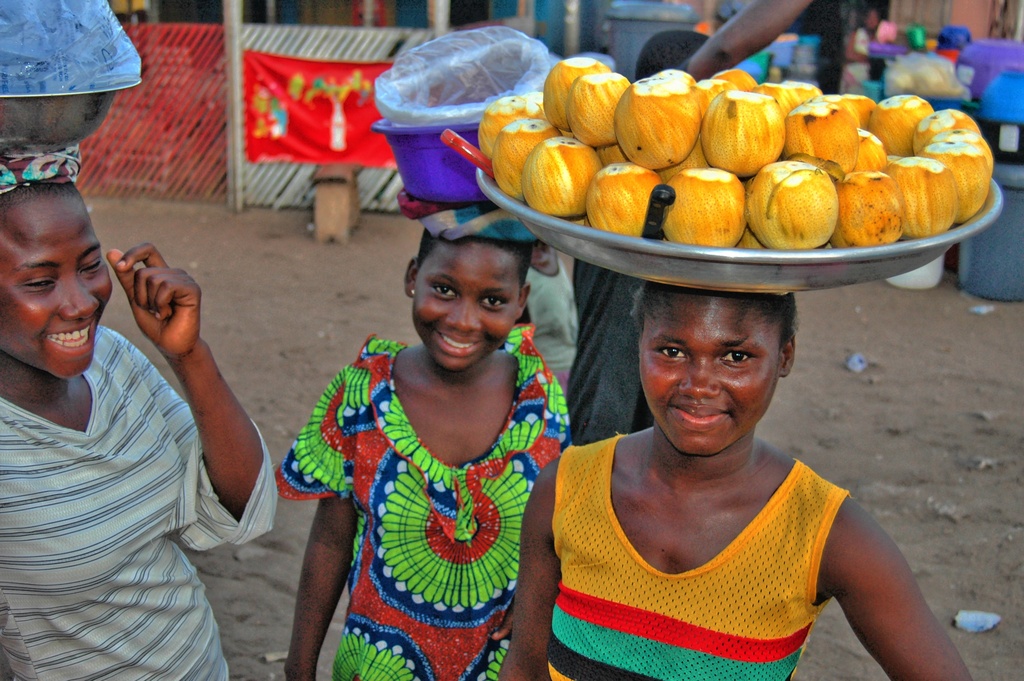
3 girls selling fruits and food at the road side. (c) Strictly by Remo Kurka (photography)